
——From Recognized Technology to 17 Years of Manufacturing Collaboration
In 2009, a lightning-protection project for telecommunications base stations brought GUARD and Emerson Network Power, now Vertiv, into an initial partnership.
Looking back today, this partnership was not simply a matter of replacing overseas procurement with local sourcing. It represented Vertiv’s recognition of GUARD’s independent R&D capabilities. What first attracted Vertiv’s attention was GUARD’s technical experience in surge protection devices, its in-house R&D capabilities, and its fit-for-purpose products. On this foundation, the cost-effectiveness enabled by local manufacturing made these technical capabilities more suitable for practical project implementation.
As of 2026, the two companies have been working together for 17 years, with cumulative cooperation value approaching RMB 2 billion. The cooperation has expanded gradually from surge protection devices to PDUs, and further into power systems and energy-storage cabinets.
I. Returning to 2009: Why Did the Customer Need a New Supply Option?
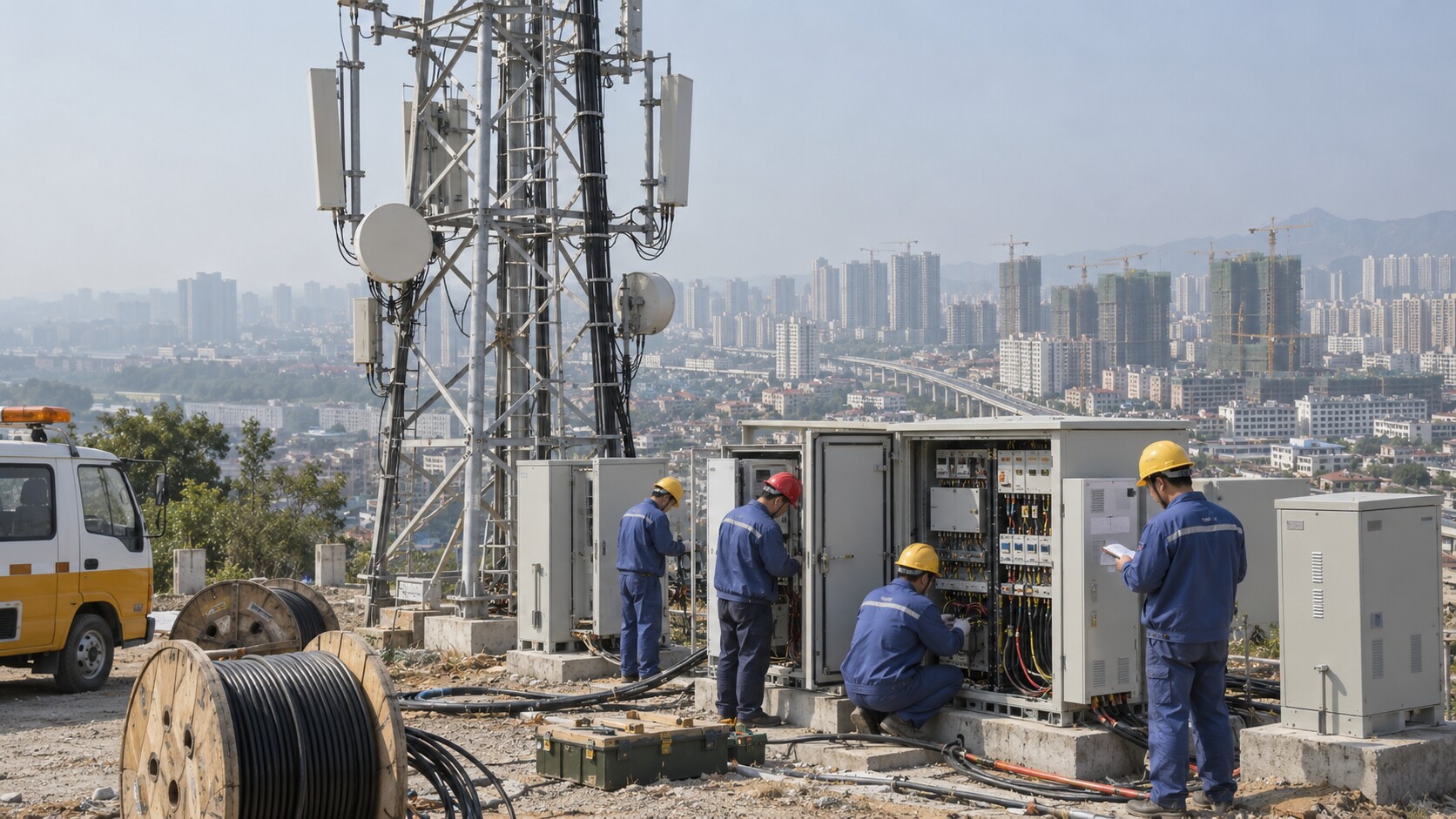
In 2009, China’s telecommunications infrastructure entered a period of concentrated development. According to statistics from the Ministry of Industry and Information Technology, China’s three major basic telecommunications operators invested RMB 160.9 billion directly in 3G network construction that year and built 325,000 3G base stations. The rapid expansion of these networks created demand for supporting power and protection equipment.
At the same time, the global economic recession continued to affect business operations. Emerson’s 2009 annual report showed that its global Network Power sales declined by 15% year on year, while its network power systems business in China grew, partially offsetting declines in other businesses.
The Chinese market offered growth opportunities, while companies also needed to pay close attention to operating efficiency and costs. In the first cooperation between the two sides, the customer’s task was clear: find suitable surge protection devices for telecommunications base stations while controlling the cost of supporting procurement.
However, cost control did not mean lowering technical requirements. Directly purchasing overseas surge protection devices was relatively expensive. As a result, local suppliers with R&D capabilities and suitable products became potential partners.
At that time, China’s practical experience in lightning-protection engineering and its supporting professional ecosystem were still developing. When selecting a local supplier, the customer needed to assess whether the supplier understood the relevant technology, whether its products were suitable for the intended application, and whether it could work closely around the requirements of the project.
GUARD’s early professional experience gave us the opportunity to respond to these needs. At that time, GUARD focused on surge protection devices and was among the earlier companies in China to enter this field. The company’s principal had many years of engineering experience in surge protection, understood industry standards, engineering applications, and project requirements, and had long focused on lightning-protection needs in telecommunications and other application scenarios. Based on this industry experience, GUARD independently developed its technologies and products in line with China’s application conditions and manufactured them in China.
In other words, Vertiv noticed GUARD not simply because GUARD was a low-cost supply option, but because GUARD possessed the technical capabilities to independently develop surge protection devices and could respond to the practical needs of telecommunications base-station projects with suitable products.
II. Why GUARD: Independent R&D Capabilities Attracted Vertiv
GUARD’s main products at that time were surge protection devices.
The company’s principal had accumulated many years of engineering experience in surge protection, while the team had developed a strong understanding of industry standards and project requirements. This provided GUARD with a professional foundation for understanding both surge-protection technology and its practical applications. GUARD independently developed its products, creating technical solutions around China’s application conditions and customer requirements, and then implemented them through local manufacturing.
This gave the customer a supplier with its own proprietary product capabilities.
For the customer, controlling costs had to begin with products that could satisfy the requirements of the project. GUARD already had surge protection devices suitable for telecommunications base-station projects. We could support the project with our own technology and products while also responding to the customer’s demand for cost-effectiveness.
Therefore, the first cooperation was based on a clear match of needs: the customer needed lightning protection for base stations and wanted to control costs; GUARD had the relevant technical capabilities and suitable products.
More precisely, Vertiv valued GUARD’s combination of independent R&D capabilities and cost-effectiveness in surge protection devices. Our technical capabilities brought GUARD into Vertiv’s view, while our cost-effective solutions made those capabilities more suitable for real project implementation. These were not separate advantages. Together, they formed a comprehensive competitiveness based on independent R&D and local manufacturing.
That project established a concrete business relationship between the two sides.
It also reflected one path through which China’s industrial supply system has developed: specialized engineering experience provides a foundation for R&D, local industrial conditions support manufacturing, and customer projects bring technology into practical application.
Demand from international companies creates business opportunities while also transmitting requirements for technology, quality, and delivery throughout the supply chain. Through cooperation, manufacturing companies accumulate experience, improve their processes, and gradually take on broader responsibilities. GUARD has continued to grow through this kind of industrial collaboration.
III. From Technical Recognition to 17 Years of Cooperation: How Has GUARD Kept Pace with Demand?
The technical capabilities and cost-effectiveness of GUARD’s independently developed products created the opportunity for the first cooperation. Maintaining a long-term partnership, however, requires us to keep pace with changing customer needs.
The first cooperation began when our technology was recognized. Seventeen years of cooperation have depended on the continued evolution of that technology.
Developing products and manufacturing capabilities as requirements evolve.
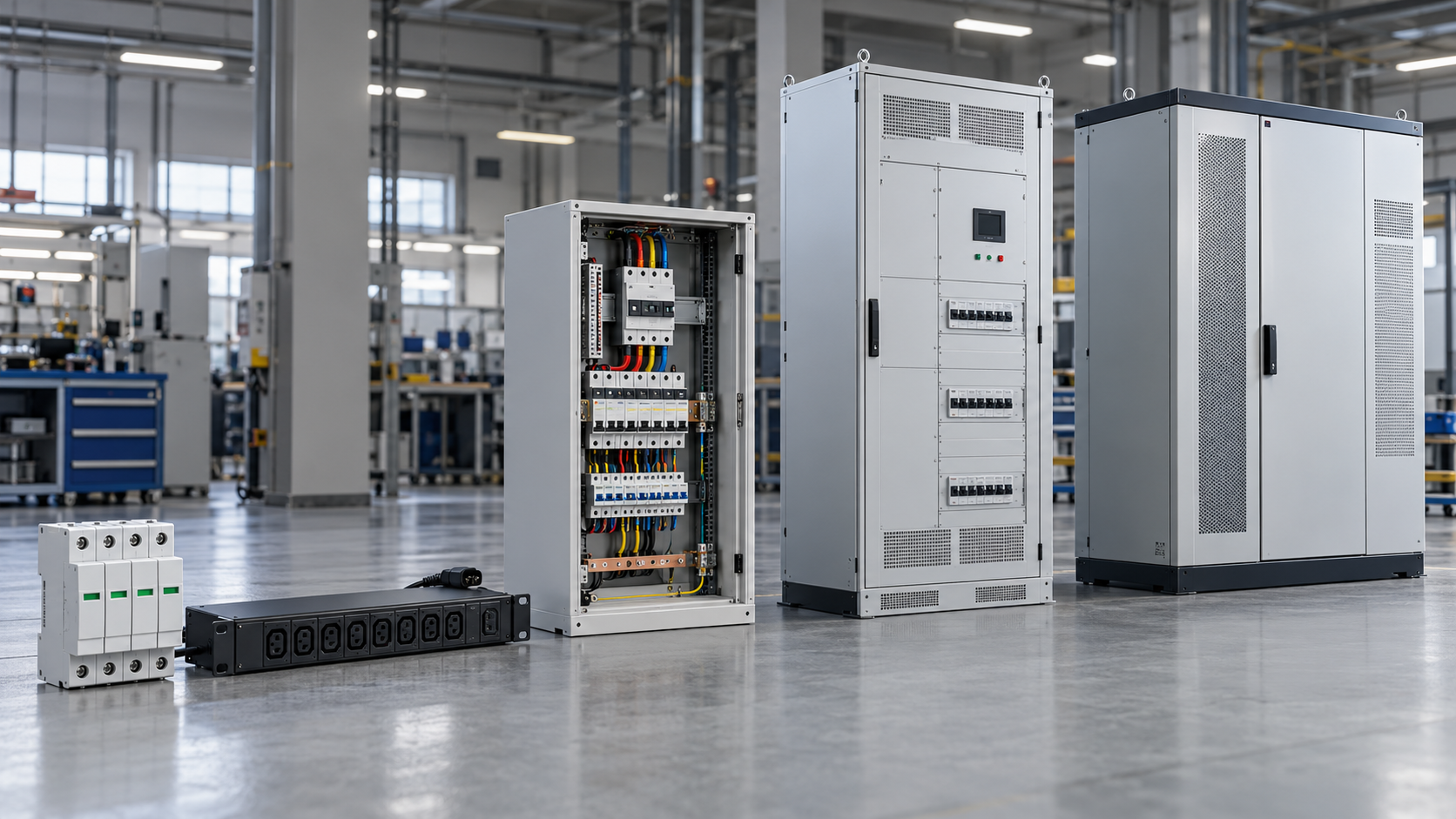
The cooperation between the two sides gradually expanded from surge protection devices to PDUs, and then toward power systems and energy-storage cabinets. As the product range expanded, the manufacturing work involved more disciplines. Electrical configurations needed to align with structural layouts, internal wiring needed to account for installation and maintenance, and fabrication and assembly needed to follow consistent requirements.
GUARD therefore continued to build its capabilities in industrial electrical systems and precision sheet-metal fabrication. From our early surge protection devices to broader manufacturing support, the scope of work we could undertake gradually expanded, creating the conditions for subsequent cooperation.
Behind this was not simply an expansion of production capacity, but a simultaneous improvement in technical understanding, engineering execution, and manufacturing coordination.
Embedding cost control in R&D and manufacturing.
During the first cooperation, the customer was focused on the procurement cost of overseas surge protection devices. As the cooperation deepened, cost control required consideration of more factors, including materials, structure, processing, and assembly.
For GUARD, a competitive solution had to organize manufacturing appropriately while satisfying technical requirements. Whether the structure was easy to process, whether the configuration matched the intended use, and whether the assembly method was suitable would all affect the final product and its cost.
Our independent R&D and manufacturing capabilities enabled us to understand the product from these different perspectives and participate in developing solutions suited to the customer’s needs. Cost control does not mean sacrificing technology. It means using technical capabilities to make products more suitable, more reliable, and more efficient.
Continuing to invest in manufacturing and validation capabilities.
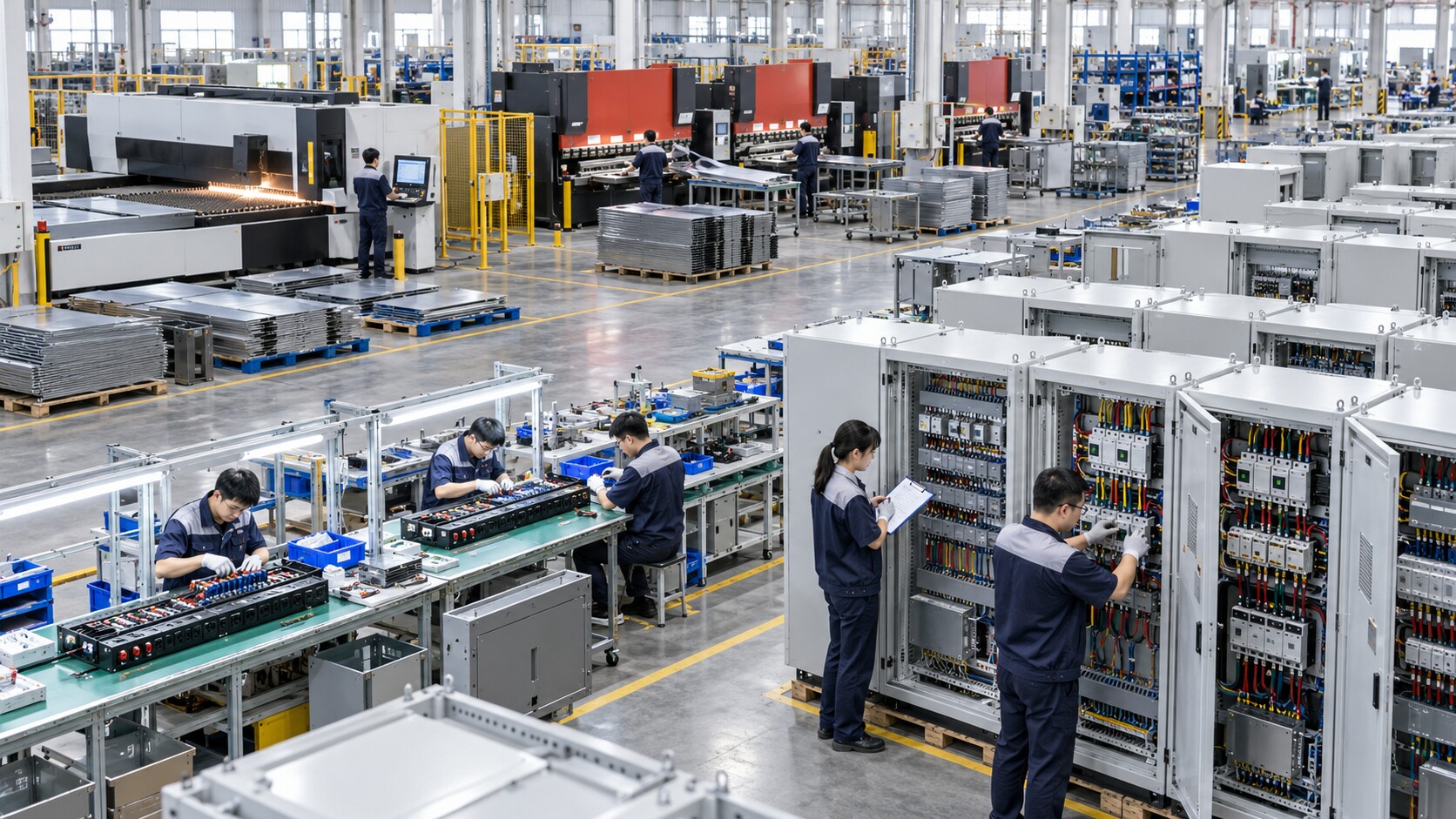
The Group currently operates four large precision CNC punching machines and two large CNC laser-processing systems. It also has bending, riveting, welding, busbar processing, and coating capabilities, as well as two PDU production lines and related electrical assembly workshops.
Our testing resources include test platforms for 35 kA, 10/350 μs and 160 kA, 8/20 μs impulse currents; a 10 kA, 20 kV combination-wave generator; and environmental simulation and mechanical testing equipment. The specific test items and test levels for each product are determined according to its intended use and customer requirements.
In 2025, the Group’s R&D expenditure accounted for 7.2% of sales revenue. These investments support independent R&D, product manufacturing, and validation, while also building the foundation for taking on new requirements.
These machines, testing platforms, and R&D investments are more than manufacturing resources. They provide tangible support for GUARD’s technical capabilities.
Building collaboration experience through real projects.
GUARD has delivered core projects for Vertiv as well as projects related to Ericsson. These projects required us to translate technical requirements into specific products and helped us further understand customers’ expectations for manufacturing support.
The value of a long-term partnership lies in the continued accumulation of this experience. It enables us to understand requirements more accurately, coordinate manufacturing processes more effectively, and advance product implementation in subsequent projects.
From GUARD’s perspective, the continued deepening of the cooperation has depended on our ability to improve our capabilities as the customer’s business has evolved. China’s industrial ecosystem has provided the foundation, while sustained investment in R&D and manufacturing has enabled us to turn those conditions into concrete project support.
IV. Building the Capabilities Needed for New Requirements
AI and high-performance computing are driving higher rack densities in data centers, creating new requirements for power delivery and thermal management. Vertiv’s 2026 industry outlook also identifies high-density power distribution and liquid-cooling systems as important areas of development.
For manufacturing partners, these new applications require closer coordination among electrical configurations, structural layouts, and equipment integration. Growth in the energy-storage and new-energy sectors is also creating demand for related power-distribution equipment and cabinet manufacturing.
GUARD aims to build on its existing manufacturing foundation in PDUs, power systems, cabinets, and energy-storage products. We will strengthen independent R&D and engineering collaboration, improve coordination between electrical and structural manufacturing, and prepare for the next phase of projects.
Looking back, the opportunity in 2009 was very specific: the customer needed to control the cost of lightning-protection equipment for telecommunications base stations, and GUARD offered an option based on its own technology and fit-for-purpose, independently developed products.
The cooperation that followed required us to continuously expand our capabilities and respond to changing customer needs.
Independent R&D gives us the right products. Local manufacturing gives our solutions cost competitiveness. Continued investment provides the foundation for a long-term partnership.
Vertiv chose GUARD because our technology was recognized. Seventeen years of cooperation have been built on the continued validation of our technical capabilities.
This is how GUARD understands this partnership, and it is also the direction in which we will continue serving more customers.